

Metal Fabrication Tools List
The right tooling decision shapes how a part gets built, what it costs, and how fast it ships. Our engineers work with you from the start to match the features on your print to the right tool and process. Below is the tooling HPM is set up to run in-house, grouped by what each tool does on the floor.
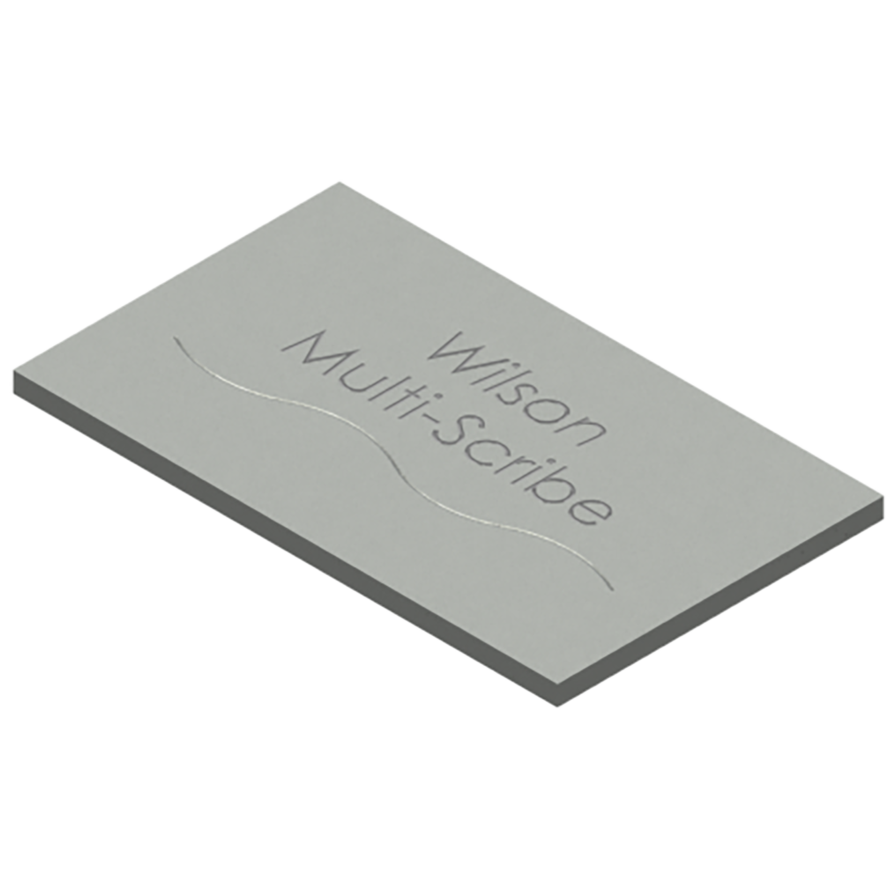
Part Marking

Thread Form

Cluster Tools

Deburring

Emboss

Electrical Knockout

Louver

Tapping

Forming

Special Shapes

Countersink/Coin

Hinge
Want to see the full list?
Reach out and we’ll be happy to send you everything we have in our tool belt.
How to Choose the Right Fabrication Tooling
Tooling selection depends on the feature, the material, and the number of parts you need. Here are the factors HPM's engineers weigh on every project:
Feature Type and Geometry: Louvers, embosses, knockouts, hinges, and countersinks are strong candidates for in-station forming because the press is already holding the part. Openings that a standard round or rectangular punch won't make are handled with special-shape or cluster tooling.
Material Thickness and Grain: Gauge and grain direction affect how cleanly a feature forms and how much a part springs back. Light-gauge threads tap well in-station; heavier material or a tight bend may belong in a press brake. Specifying the right approach upfront prevents rework.
Volume and Repeatability: A cluster tool that sets a full hole pattern in a single stroke pays off throughout a production run. For lower volumes or one-off geometry, a different tooling strategy may be less expensive.
Tolerance Requirements: In-station forming holds tight tolerances on the right features, but some callouts are better served by machining or a dedicated secondary operation. We make that call feature by feature.
Cost and Handling: Every time a part moves to another machine, it is re-handled, adding an inspection point. Forming a feature in the turret keeps the part in one setup, which is where much of the cost quietly comes out of a job.
Tooling and part design are inseparable. A feature that forms cleanly in one spot on the print may crack, deform a neighboring hole, or force an extra operation if it's placed or sized without the tooling in mind. That's why HPM builds Design for Manufacturing (DFM) review into every new project.
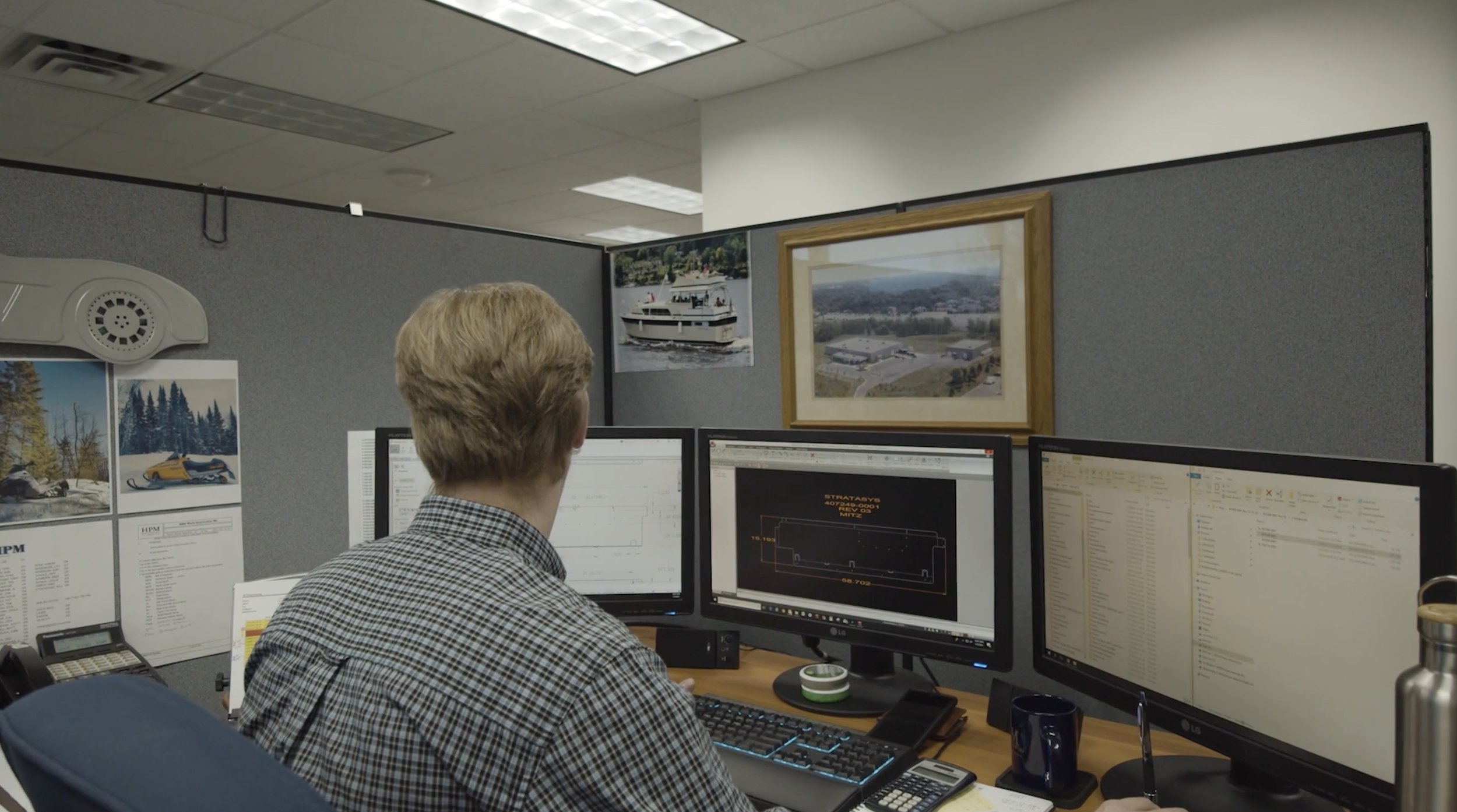
Our full-time engineering team evaluates how each feature interacts with the tooling in detail: hole size relative to material thickness, tab geometry relative to punch force, and bend radii relative to grain direction. Getting this right at the design stage is where real cost savings happen.
Tooling and Design for Manufacturing

Why Work With HPM
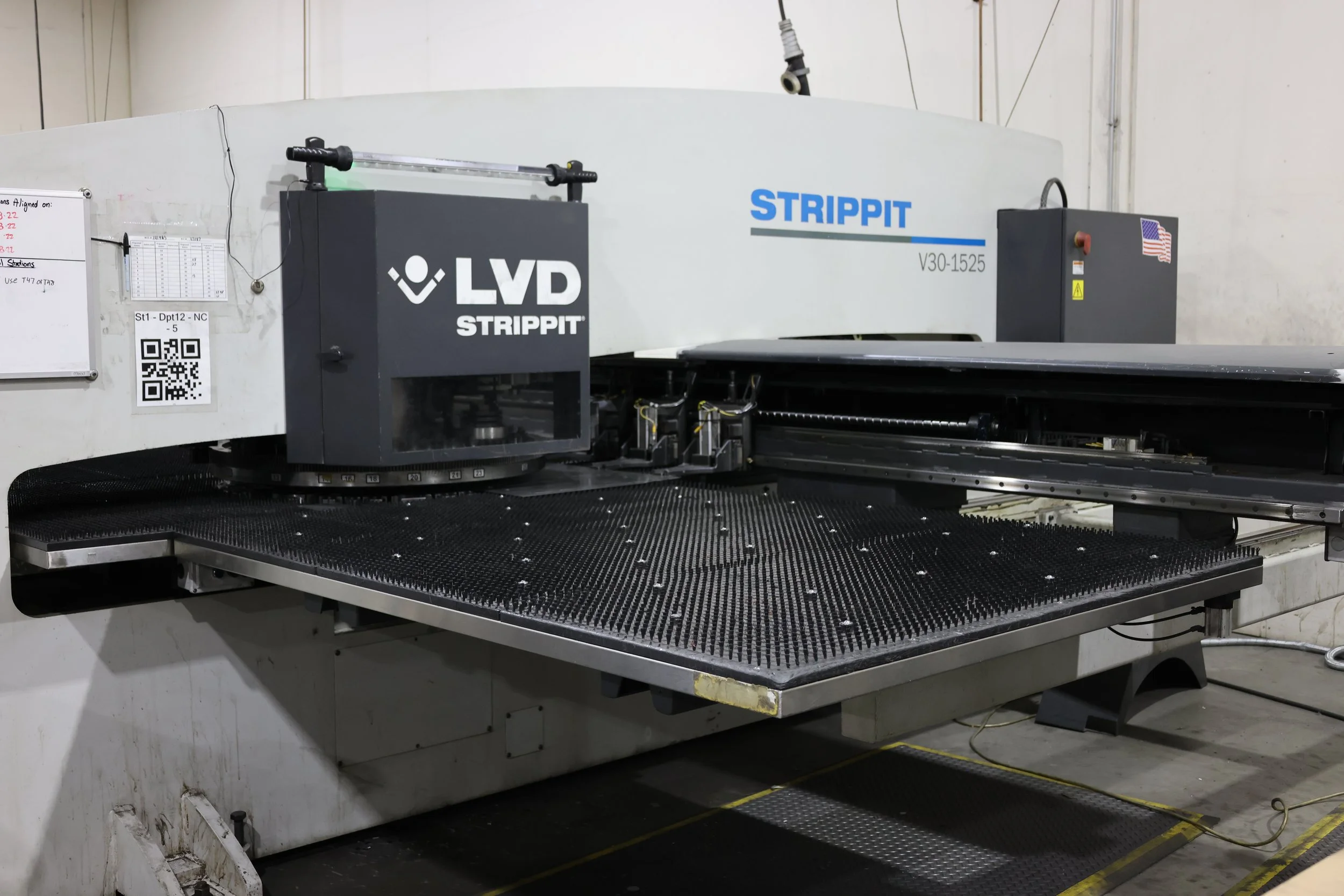
Deep In-House Tooling: We run a large library of Wilson Tool thick-turret tooling across our 7 turret punch presses, backed by 28 press brakes, 5 laser centers, and Haeger hardware insertion, all under one roof.
In-Station Forming Capability: Several of our turret presses are set up for hydraulic forming and tapping in-station, so features are formed in the same operation that punches the blank, rather than on a downstream bench.
ISO 9001:2015 Certified Quality: Every part is subject to a strict quality management system. Over more than 13 years and 26 BSI audits, HPM has not had a single major nonconformance.
Tooling-Informed Engineering: Our engineers review your print and flag features that can be punched or pressed, then quote the job with the tooling and operations already worked out.
Industries HPM Serves
The tooling on this page produces parts across the full range of industries we serve, from enclosures and chassis for electronics and data center and server support equipment to precision components for medical and government. Every industry brings different tolerances, materials, and finishes, and HPM has the tooling depth to meet them.


Ready to Start Your Project?
Tell us about your part and project specs. HPM's engineering team will review your design, confirm the right tooling and operations, and provide a quote.
Frequently Asked Questions: Metal Fabrication Tools
-
In-station tools form features into a part during the punching operation, while the part is still in the turret press. Louvers, embosses, knockouts, countersinks, hinges, and light-gauge threads can all be produced this way, thereby eliminating the need for separate downstream operations.
-
It depends on the feature, material thickness, and quantity. Light-gauge threads, louvers, knockouts, and small embosses are usually good in-station candidates because the press is already holding the part. Heavier or higher-tolerance features may belong in a press brake or a machining step. HPM's engineers make that call part by part with cost in mind.
-
Every time a part moves to another machine, it gets handled and re-fixtured, and each move is a chance for a defect. Forming a feature during punching keeps the part in a single setup, which tends to lower production run costs and reduce the number of inspection points along the way.
-
Yes. Send the print, and we'll tell you what can be formed in-station, what needs a secondary operation, and where a small design change would save money without affecting fit or function. That feedback is part of how we quote a job.
-
The common ones for sheet metal work are cold-rolled and hot-rolled steel, stainless steel, and aluminum, across a range of gauges. Tooling selection changes with material and thickness. See our materials list for specifics.
-
No. This page shows a representative set. The full library is larger, and we add tooling as needed for parts. Contact us, and we'll send the complete list.